Volumina
Advanced 3D medical imaging visualization built for immersive exploration, precision analysis, and next-generation clinical workflows. Experience medical imaging in full 3D space using immersive VR. Navigate around anatomy, interact with tools naturally, and gain perspective that traditional screens cannot provide. Volumina supports modern VR headsets, enabling intuitive workflows for exploration, education, and presentation.
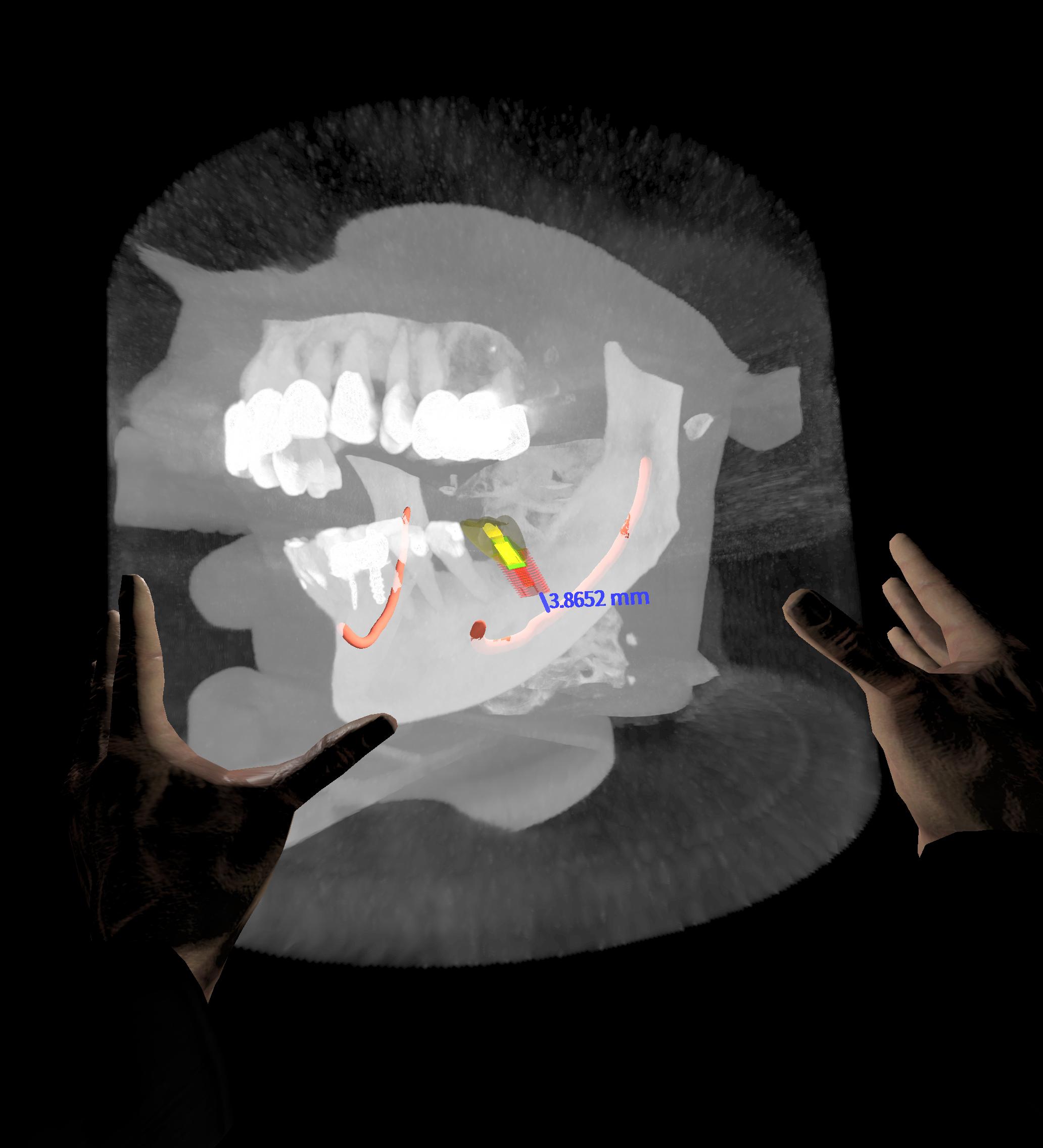
Immersive Medical Imaging, Reimagined
Volumina is a medical imaging platform designed to transform how clinicians, researchers, and educators interact with complex datasets. By moving beyond conventional 2D slice-based viewing, users can explore fully interactive volumetric data within an immersive 3D environment.
This approach enables improved spatial understanding, intuitive interaction with anatomical structures, and more effective communication of complex findings.
Core Capabilities
- Interactive 3D volumetric rendering with real-time manipulation
- Multiplanar reconstruction (Axial, Coronal, Sagittal)
- Curved planar reformation (Curved MPR)
- Immersive VR interaction with full spatial navigation
- Segmentation workflows and 3D model integration
Advanced Volume Rendering and Imaging Data
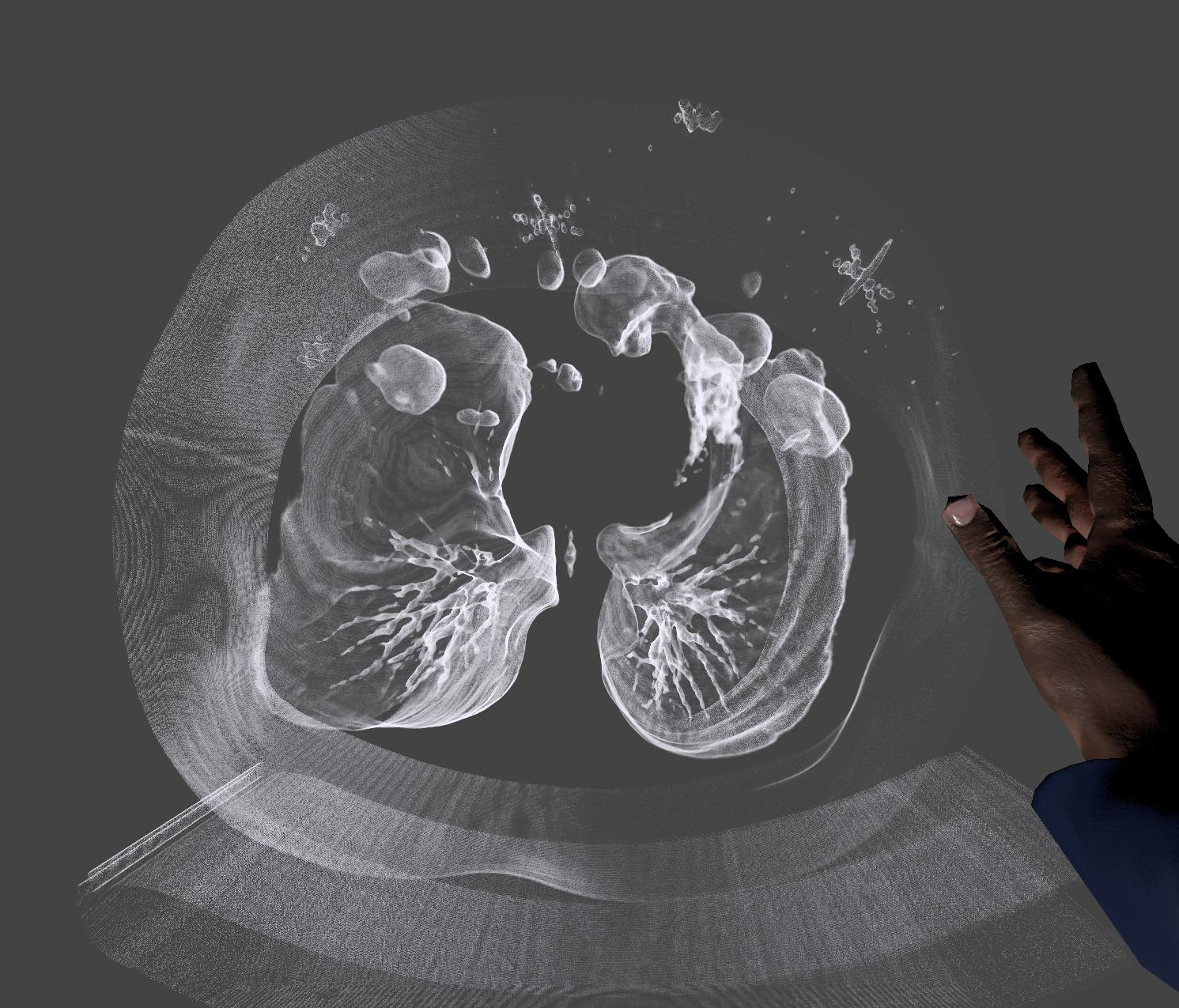
Volumina provides high-fidelity volume rendering capabilities for the analysis of complex medical imaging datasets. Anatomical structures and pathological regions can be visualized across multiple rendering modes, allowing for precise isolation and inspection of regions of interest.
Within the visualization environment, selected regions can be interactively segmented and scaled to occupy the full field of view. This enables detailed examination of small structures, improving perceptual clarity and supporting fine-grained analysis.
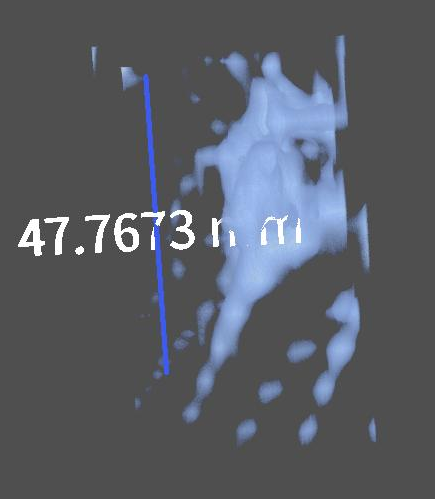
The platform includes an extensive library of predefined visualization presets tailored to different imaging modalities and clinical applications. These presets optimize contrast, opacity, and color mapping to highlight specific anatomical features, and can be customized and saved for repeat workflows or longitudinal studies.
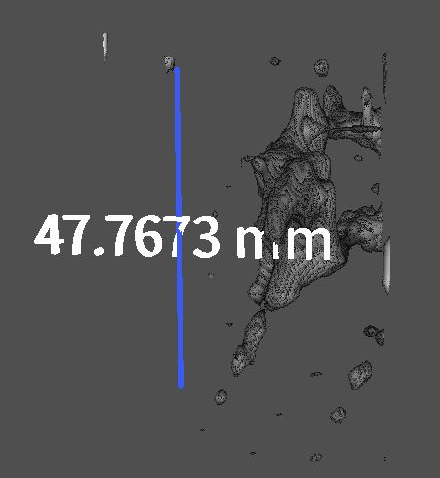
Advanced classification methods evaluate multiple voxel attributes simultaneously, mapping combined properties to color and opacity. This results in improved boundary delineation between adjacent tissues, clearer structural separation, and more accurate identification of pathological regions.
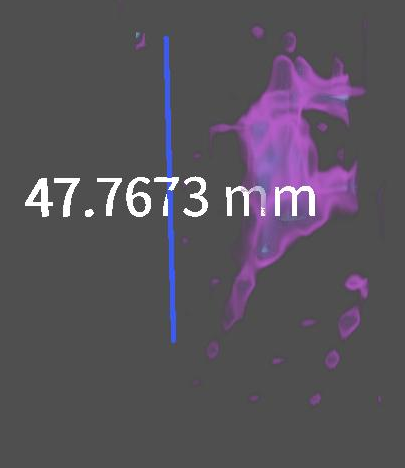
A direct comparison between one-dimensional and multidimensional transfer functions highlights the impact of multi-parameter classification. While one-dimensional mappings rely on a single voxel attribute such as intensity, multidimensional transfer functions incorporate additional properties—enabling clearer separation of overlapping tissues and improved edge definition within the same anatomical region.
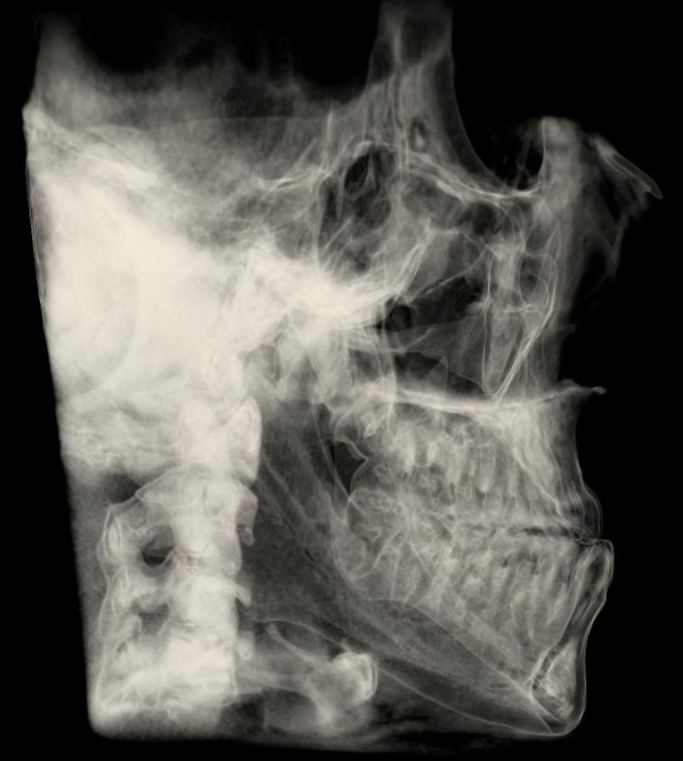
One-dimensional transfer function
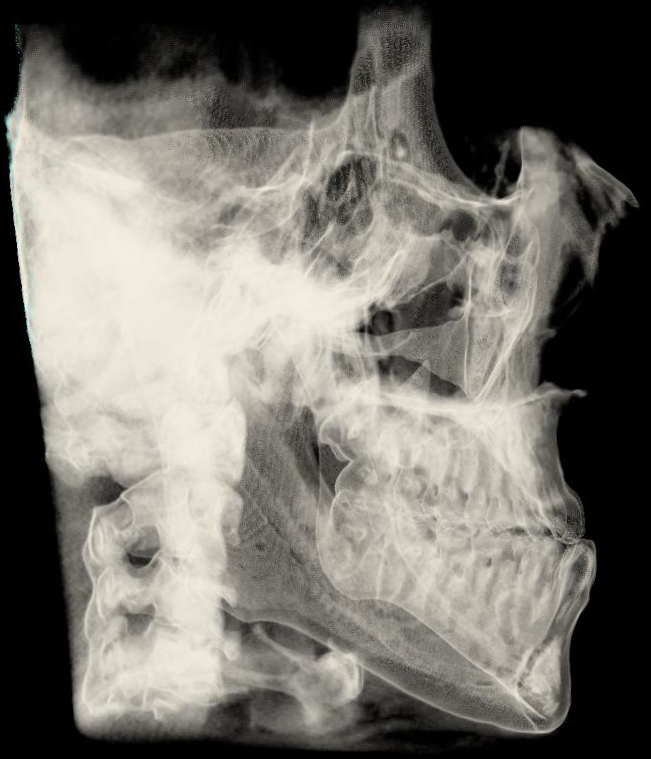
Multidimensional transfer function
This enhanced clarity supports surgical planning by making critical structures
easier to distinguish, helping clinicians assess spatial relationships and
approach procedures with greater confidence.
Longitudinal Analysis and Secondary Scan Comparison
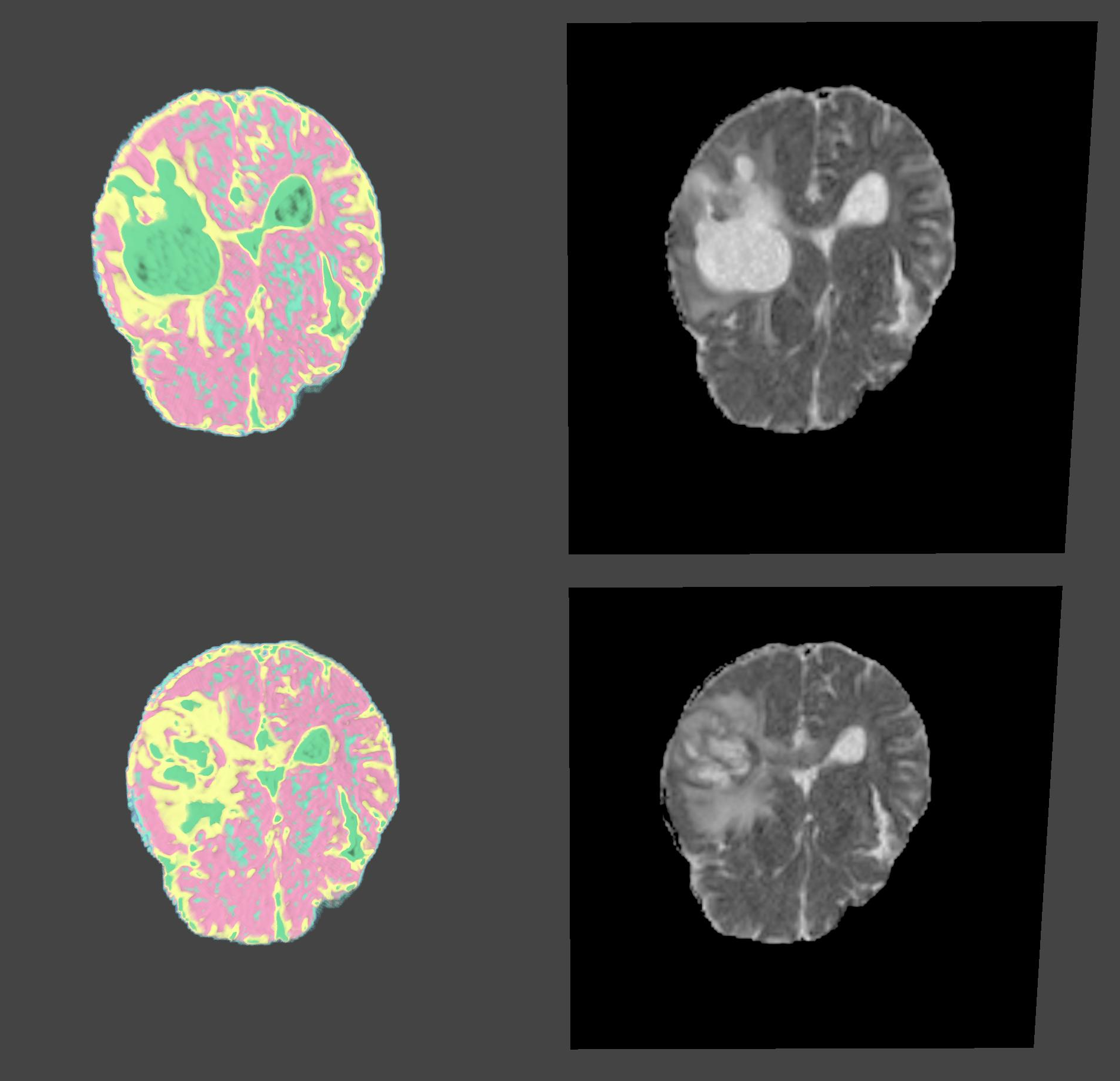
Volumina enables the simultaneous loading and visualization of secondary imaging datasets, allowing direct comparison across multiple timepoints. This capability supports longitudinal analysis of patient data, including pre-operative, intra-operative, and post-operative imaging.
Secondary scans retain full platform functionality, including volume rendering, curved multiplanar reformatting (MPR), measurement tools, and annotation workflows. This ensures consistent interaction and analysis across all datasets without workflow interruption.
Clinicians and researchers can evaluate structural and pathological changes over time, compare quantitative measurements, and assess treatment outcomes with improved spatial context. This is particularly valuable for monitoring disease progression, validating surgical results, and supporting follow-up evaluations.
Curved MPR & Advanced Visualization
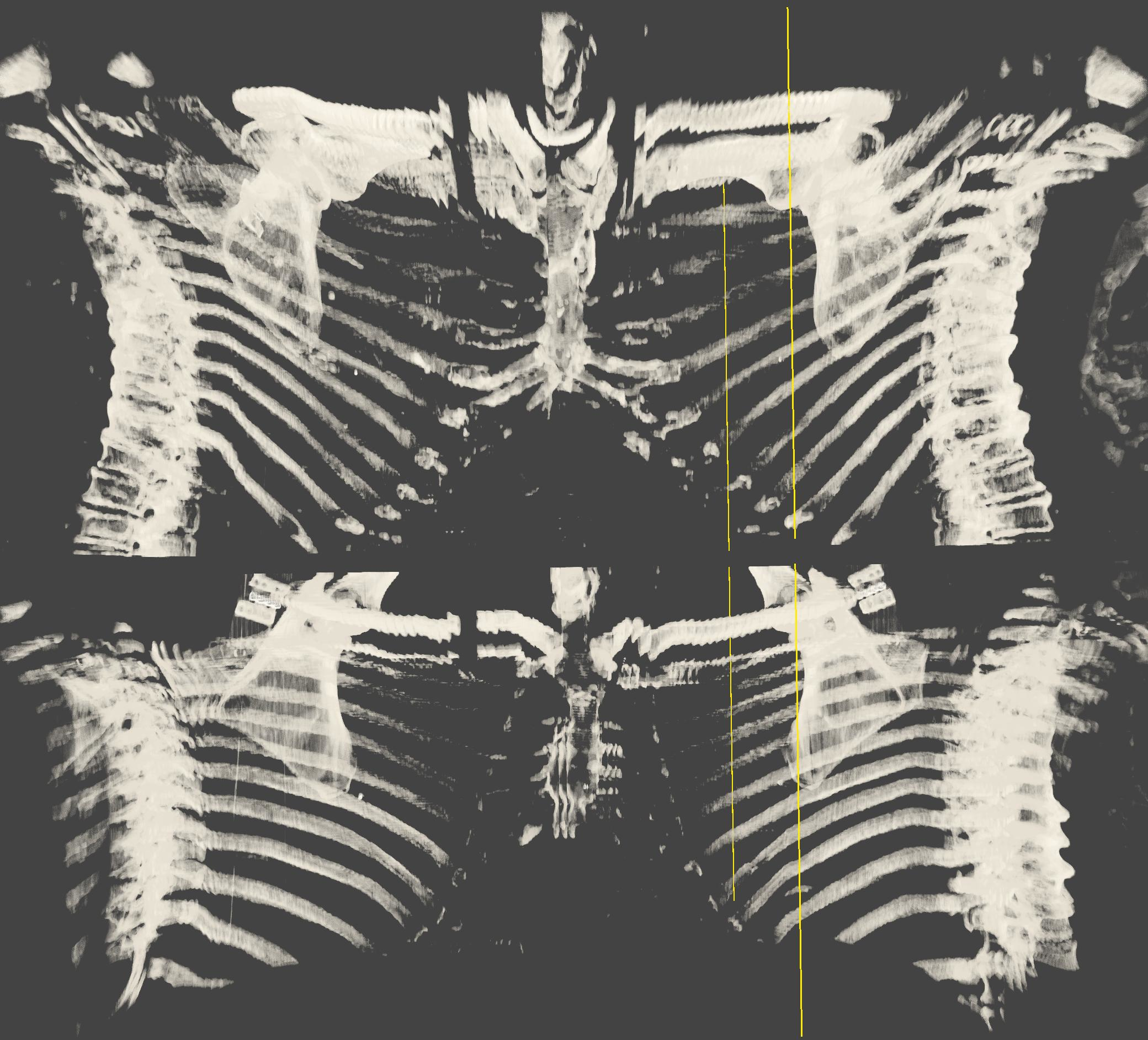
Curved multiplanar reformatting enables continuous visualization along non-linear anatomical paths. This is particularly useful for evaluating structures such as dental arches, vascular pathways, and airways.
When combined with cross-sectional and panoramic views, this approach supports more comprehensive analysis and improved procedural planning.
Precision Tools for Analysis
Volumina includes a suite of tools designed to support measurement, annotation, and direct interaction with volumetric data.
- Ruler and angle measurement tools
- Annotation and marker tools
- Nerve path and trajectory tools
- Object manipulation and positioning tools
- STL import and editing for 3D models
Built for Real-World Imaging Data
Volumina supports a range of standard medical imaging formats, enabling integration into existing clinical and research workflows.
- DICOM – Clinical imaging (CT, MRI, PET-CT, CBCT)
- MHA – MetaImage Medical Format
- NRRD – Research and volumetric datasets
- NIfTI – Neuroimaging applications
Seamless Workflow Integration
Volumina integrates with established imaging tools and pipelines, including platforms such as 3D Slicer, to support preprocessing, segmentation, and analysis.
This enables a streamlined workflow from raw imaging data to immersive visualization, supporting research, education, and procedural planning.
Languages
Volumina is available in the following languages: Afrikaans, Basque, Bulgarian, Catalan, Croatian, Czech, Danish, Dutch, English, Estonian, Filipino, Finnish, French, Galician, German, Greek, Hungarian, Icelandic, Indonesian, Italian, Latvian, Lithuanian, Malay, Norwegian, Polish, Portuguese, Romanian, Russian, Serbian, Slovak, Slovenian, Spanish, Swedish, Turkish, Ukrainian, and Vietnamese.
If you require a non-English manual, please contact support@xrmedicalimaging.com.